
Why Switzerland postponed the rollout of its digital ID
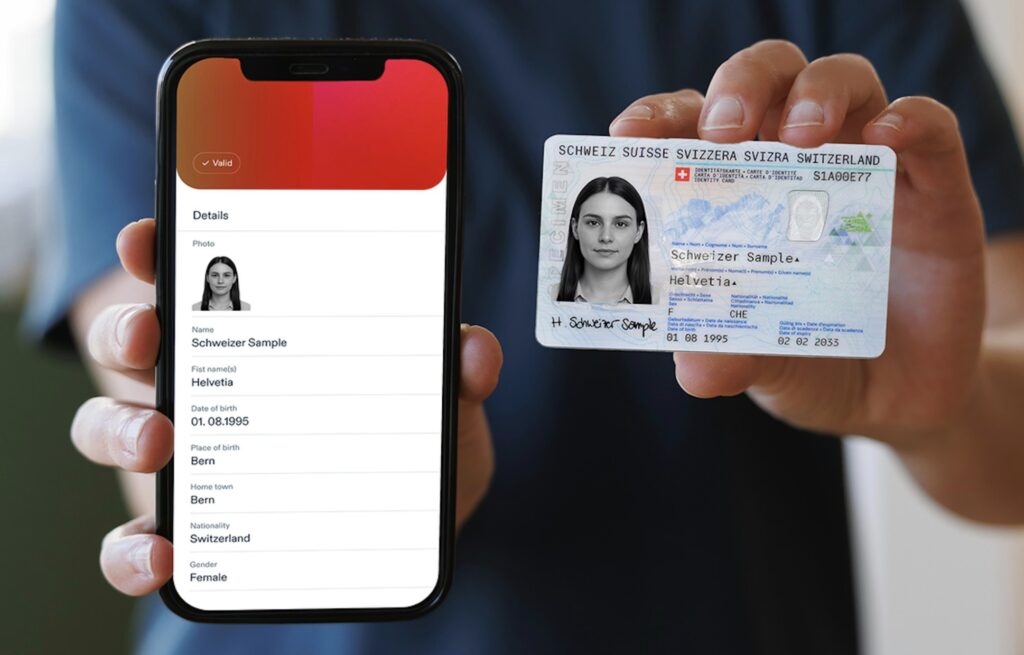
Switzerland announced earlier this week that the launch of its e-ID program has been postponed to December 1st, 2026. Behind this decision is an audit performed by the country’s top financial oversight body, which highlighted that several key tasks related to e-ID issuance and its trust infrastructure remain uncompleted.
The Swiss Federal Audit Office (SFAO) published its second audit of the Swiss e-ID program in February, citing concerns with areas such as data encryption. The developers of the eID, for instance, plan to introduce end-to-end encryption of the eID user data transmitted between participants.
The agency warns that the concept of encryption has not yet been finalized, even though its deadline was the end of 2025. This means security gaps remain open.
SFAO also highlighted that the current public beta test version includes beta ID processes developed specifically for demonstration purposes. Although future e-ID processes will incorporate the principles of the beta ID, they are still under development.
The agency also flagged that the integration of Federal Police (Fedpol) e-ID issuance processes is still not completed. Swiss citizens are expected to apply for the digital ID through the FedPol by scanning their identity card, passport, or residence card.
Another finding centers on verifier accountability. Under current plans, the program does not intend to use the trust registry established under the Swiss e-ID Act to verify the legitimate purposes for which organizations request e-ID data. The SFAO considers this a gap and recommends introducing a voluntary process for checking the legitimate purposes of verifiers.
The SFAO audit concludes that correcting these issues will take time, meaning that the project will not complete the stabilization and final approval phase scheduled for summer 2026.
The Swiss government has assured the public that the project will continue with new deadlines and that current budget cuts will not affect the security of the e-ID and or its trust infrastructure. The introduction of a national electronic identity (e-ID) is among the key themes of Switzerland’s digitalization strategy in 2026.
Meanwhile, other stakeholders have expressed their own wishes for the upcoming Swiss eID.
Advice on improving the Swiss eID pours in
The Swiss Bankers Association (SBA) wants the Swiss e-ID to serve as a fully-fledged identification document usable for both online and offline identification.
In cases where the e-ID already offers a high level of security, any additional requirements, such as address checks or bank transfers, should be waived.
Finally, the organization believes that the Swiss e-ID should be internationally compatible and interoperable with the EU Digital Identity (EUDI). Regulations should be worded in a technology-neutral way, allowing them to cover solutions that are not yet developed, SBA concludes.
Others want the Swiss e-IDs to apply self-sovereign identity (SSI) principles more effectively.
The entire verification infrastructure of the e-ID depends on centrally operated availability, according to Swiss consultant Martina Kolpondinos.
“Even when using decentralized building blocks such as DIDs and Verifiable Credentials, the core of the e-ID trust infrastructure remains dependent on central operational integrity and availability,” she writes in a blog post.
The SFAO wants its trust registry to indicate which purposes for requesting specific e-ID data fields are legitimate. A more SSI-informed lens would question whether a person can make a meaningful decision about their data, according to Kolpondinos.
Kolpondinos also comments on the developer’s plan to introduce end-to-end encryption of the e-ID user data transmitted between participants at a later date. Security should be treated as a “foundational property of the system,” as encryption that arrives late risks “being layered on.”
Related Posts
-
 August 22, 2025
 -
 February 11, 2026
 -
 December 15, 2025
 -
 March 14, 2025
 -
 March 11, 2025
 -
 January 7, 2026
Article Topics
digital ID | e-ID | identity document | national ID | Switzerland | trust framework

Comments