
Kensington expands VeriMark lineup with new biometric security keys
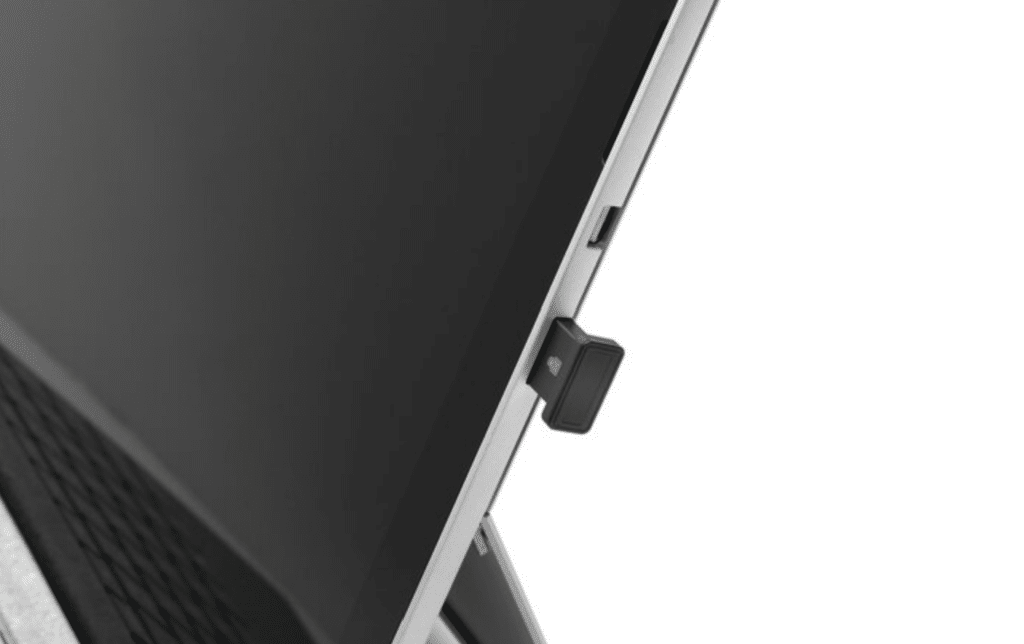
Kensington is adding to its VeriMark biometric authentication portfolio with new fingerprint‑based security keys. These are designed to help enterprises progress to passwordless login and multi‑factor authentication.
The company introduced updated VeriMark Guard, VeriMark IT and VeriMark Desktop models, offering USB‑A and USB‑C options for hybrid workforces, government deployments and regulated industries.
Organizations are responding to increasingly sophisticated cyberthreats and upgrading identity security. Kensington says the new devices combine biometric fingerprint matching, passkey support and FIDO2 standards in compact, plug‑and‑play hardware.
“Passwordless authentication is rapidly becoming the standard for modern cybersecurity,” says Yuji Wakabayashi, Kensington’s global category marketing manager. He said the updated portfolio is designed to deliver secure, scalable authentication across cross‑platform and Windows‑centric environments.
The VeriMark Guard 2.1 keys serve as cross‑platform FIDO2 authenticators that support FIDO2, FIDO U2F and CTAP 2.1 protocols. These enable passwordless login, two‑factor and multi‑factor authentication.
Available in USB‑A and USB‑C versions, they work across Windows, macOS and ChromeOS and major browsers, and meet global compliance requirements including GDPR, BIPA, CCPA and TAA.
For Windows environments, the VeriMark IT 2.0 keys integrate natively with Windows Hello and Windows Hello for Business. These enable password‑free access to Microsoft services such as Entra ID, Microsoft 365 and OneDrive without additional software. Kensington says the devices use AI‑driven fingerprint recognition that improves accuracy over time.
The VeriMark Desktop 2.0 reader provides similar capabilities for desktop PCs, offering Windows Hello integration, Microsoft Enhanced Sign‑in Security support and a cabled design suitable for fixed workstations.
All devices use Match‑in‑Sensor technology to ensure fingerprint biometric data is processed and stored on the device rather than the host system. Kensington says the keys offer 360‑degree fingerprint readability, anti‑spoofing protections and reliable performance even with damp fingers.
Related Posts
-
 June 4, 2025
 -
 June 10, 2025
 -
 December 5, 2025
 -
 December 16, 2025
 -
 June 3, 2025
 -
December 12, 2025
Article Topics
biometric authentication | biometric security key | biometrics | FIDO2 | fingerprint biometrics | Kensington | passwordless authentication

Comments