
Webinar to demystify biometric physical access control decisions
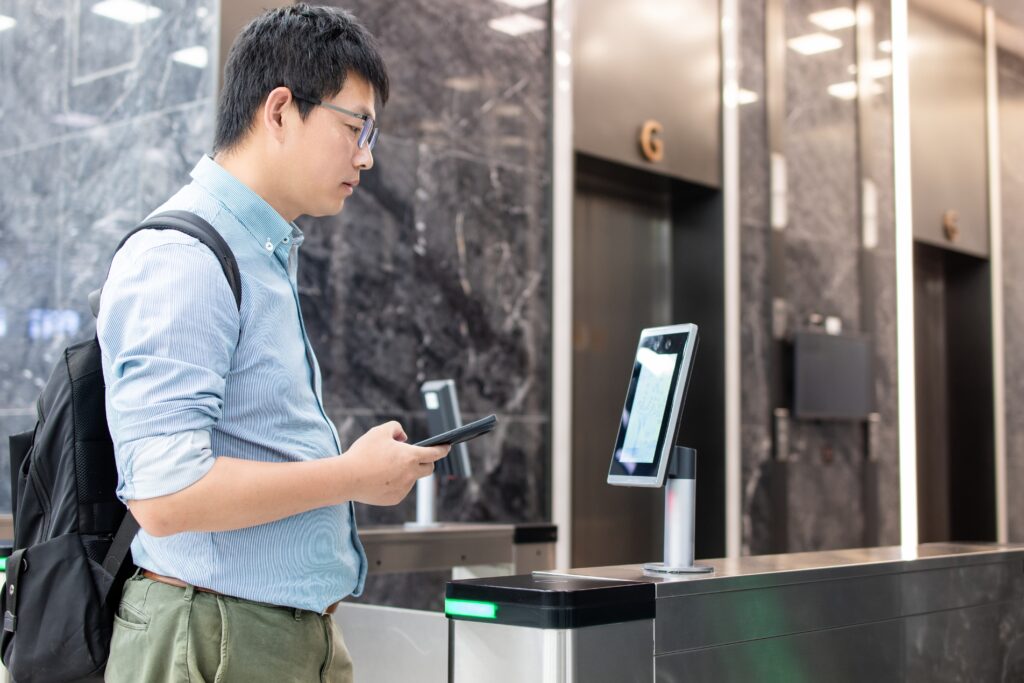
The biometric physical access control is changing, with shifts driven by factors including ubiquitous face biometrics, alignment between logical and physical access systems and privacy regulations. Biometric Update is hosting a webinar on May 19 to highlight these changes, and how businesses can take advantage of them to improve security, lower costs or strengthen compliance.
A new report on “Biometric physical access control in 2026: what to know before choosing a solution,” from Biometric Update and Goode Intelligence, unpacks the implications of the evolving market to help organizations select the kind of technology they can get full benefit from.
Biometric Update and Goode Intelligence will present and discuss the report’s key findings in the May 19 webinar. They will be joined by Alcatraz and RealSense, which will each demonstrate new technologies influencing the market’s direction.
Goode Intelligence forecasts the global biometric physical access control market will surpass $9.8 billion by 2028.
Register for free to attend the webinar and learn about the latest developments in biometric physical access control.
Phygital access cards and cloud-based phone systems
The most recognizable product on the market for many consumers is the e-gates used at airports, but several other areas, including biometric access control card deployments by enterprises, are growing.
The convergence of physical and logical access control is part of this trend, as seen in the launch of the Crayonic Badge, a wearable identity wallet which integrates biometric sensors from Fingerprint Cards. The product is designed for multi-factor authentication to support secure access control for demanding environments like hospitals and critical infrastructure.
Phone-based access control is also on the rise, with Paxton launching cloud-based solution Solo for easy integration with its physical access portfolio and authentication with native device biometrics. The company says Solo is designed for small businesses, residential settings and places where fixed data infrastructure is unavailable.
Related Posts
-
 July 24, 2025
 -
 February 4, 2026
 -
 January 14, 2026
 -
 October 30, 2025
 -
 June 4, 2025
 -
 August 6, 2025
Article Topics
access control | Alcatraz AI | biometrics | Fingerprint Cards | Paxton | RealSense | webinar

Comments